
Redmond Wants Input on Stormwater Investments: What to Look for on Your Block |
The city's November sustainability update invites residents to weigh in on the system that carries rainwater away from streets and into local waterways. |
That puddle that keeps forming at the same corner may be a small nuisance—or a clue to a larger infrastructure problem.
Redmond is asking residents to help shape future stormwater investments. In its November 2 environmental sustainability newsletter, the city highlighted the Stormwater and Surface Water Systems Plan, or SSWSP, and invited people to complete a questionnaire through Let's Connect Redmond.
The city says more than 11 billion gallons of rain fall on Redmond in a typical year. Its stormwater network collects runoff from hard surfaces such as streets and directs it through infrastructure including ponds and vaults before releasing it to streams or other waters. That system helps manage flooding and pollution.
Why this matters beyond a rainy-day inconvenience.
Runoff moves across parking lots, roads and sidewalks before it reaches drains. Along the way it can carry sediment and pollutants. Poor drainage can also make walking, biking or driving more difficult, especially near busy crossings or low spots.
Residents in neighborhoods near Bear Creek, Marymoor, Overlake and downtown Redmond may experience different drainage conditions. The city has not claimed that each neighborhood has the same risk, so the most useful comments describe an observed location and problem rather than assume a citywide diagnosis.
What the plan does—and does not—promise.
The SSWSP is intended to guide future investment priorities. A questionnaire is an invitation to provide input, not proof that a specific pipe, pond or road project has been approved or funded. There is no verified closing date in the November 2 city newsletter, so readers should check the live engagement page before relying on any deadline.
Four useful things to record.
Write down the street or trail location. Note what happens during rain—standing water, blocked drains, erosion or an unsafe crossing. Include how often it happens and whether it affects access to a home, business or transit stop. If you have photographs, use the city's official reporting channel and avoid entering private details into a public comment.
Property owners and tenants should not attempt to open storm drains or enter floodwater to investigate a problem. For immediate hazards, use the city's service-request or emergency channels rather than waiting for a long-term planning questionnaire.
How to take part.
Read Redmond's November sustainability newsletter, follow its link to the Stormwater and Surface Water Systems Plan and complete the Let's Connect questionnaire. If you are unsure whether a concern belongs in the planning process or needs a maintenance response now, use the city's Report an Issue service.
The question worth asking afterward.
Which concerns are incorporated into the plan, and when will the city publish the resulting priorities? For residents and local businesses, that is how participation becomes accountability rather than just another online survey.
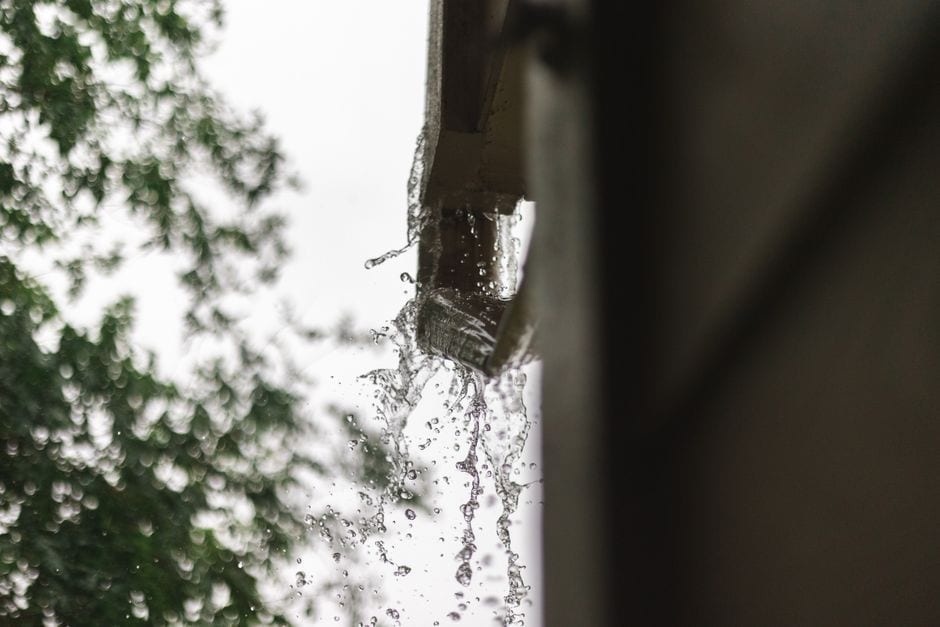
Editorial image: illustrative rainwater and urban drainage photograph, not a photograph of a specific Redmond drainage location. Photo by Devin Brown on Pexels. No affiliate relationship or sponsored placement.
Primary source and verification: Redmond's November 2 sustainability update. Use the city's linked questionnaire for current participation details; do not infer a closing date. |
0 Comments
Join the conversation
Be the first to comment
Share your thoughts above.