
Bellevue and Newcastle Buyers: Stress-Test the Mortgage Payment Before Touring Homes |
A first-home budget should include repairs, taxes, insurance and a cash reserve—not just the lender's maximum approval. |
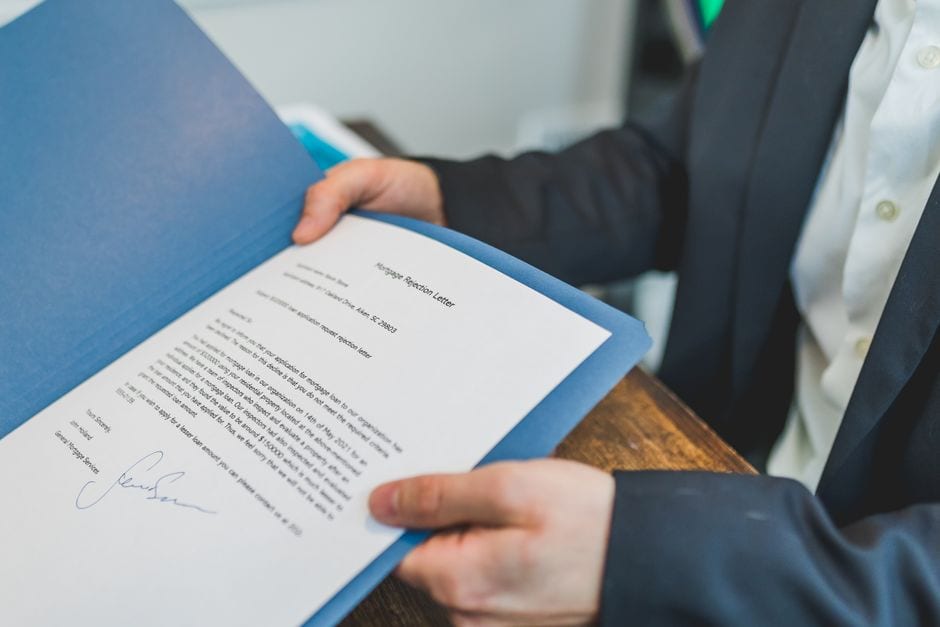
For a renter in Bellevue or Newcastle, a lender's preapproval can feel like a green light to shop at the top of the range. But approval tells you what a lender may finance under its rules, not what will feel comfortable when the water heater fails or a paycheck changes.
Start with your current housing cost and your actual monthly cash flow. Then estimate the full ownership payment: mortgage principal and interest, property taxes, homeowners insurance, mortgage insurance if applicable, HOA dues and utilities. Some of those costs can change over time.
Add a maintenance reserve. Even a newly purchased home can need repairs, and a condominium may have special assessments. Ask for HOA documents, reserve information and the history of assessments before treating the listed dues as the entire building cost.
Create two scenarios: the expected monthly cost and a stressful month with a repair, higher utility bill or reduced income. If the plan only works when nothing goes wrong, the purchase may be too tight for your household.
For illustration, suppose a buyer expects a $3,800 total housing payment and $500 in monthly maintenance and irregular costs. The planning number is $4,300, not $3,800. That is an example, not a market quote or a prediction of actual expenses.
Before touring homes, ask a housing counselor or approved educator about down-payment assistance and eligibility. The Washington State Housing Finance Commission provides homebuyer education resources and works with approved lenders; a class is not a promise of loan approval or assistance.
Compare loan estimates from multiple lenders. Look beyond the interest rate to annual percentage rate, points, closing costs, rate-lock terms and cash required at closing. A lower monthly payment achieved through expensive upfront fees may not be the best choice for every borrower.
Do not drain every savings account for the down payment. Closing costs, moving expenses and emergency reserves deserve their own line items. Also consider whether you expect to stay in the home long enough to absorb transaction costs.
Eastside Ethan's assignment: build a complete ownership budget, run one downside scenario and attend a recognized homebuyer education session before falling in love with a listing.
Official resources: Washington State Housing Finance Commission https://wshfc.org/about-us/events-and-training and CFPB mortgage tools https://www.consumerfinance.gov/owning-a-home/. Photo: RDNE Stock project / Pexels. General educational information; no affiliate or lender referral. |
0 Comments
Join the conversation
Be the first to comment
Share your thoughts above.